
why dystopian theology?
Questions are more powerful than answers, and so we start not by trying to grab “the right answers” but by looking to ask better questions, which comes from outside the imperial ideology and theology we live under.
We look to diverse traditions, especially those from non-state/indigenous cultures, and from the shatter zones of empire.
We look to social sciences and what they observe about the state of our world.
If we look to Christian tradition, we do so from the standpoint of renouncing Christianity and all imperial religion. We seek to reexamine the teachings of Jesus and the early Christians from this standpoint.
We are facing several cascading crises of systemic and ecological collapse, but these disasters are all rooted in a crisis of meaning—in how we answer the questions, “What is the nature of the cosmos we live in?” and “What does it mean to be truly human?” These questions are what we mean when we say “theology,” and so, questions of theology belong to all of us, whether we believe in a Higher Power or not.
And no matter who you are, you are welcome into the conversation we all need to be having.
what’s our starting point for theology?
Meet the host
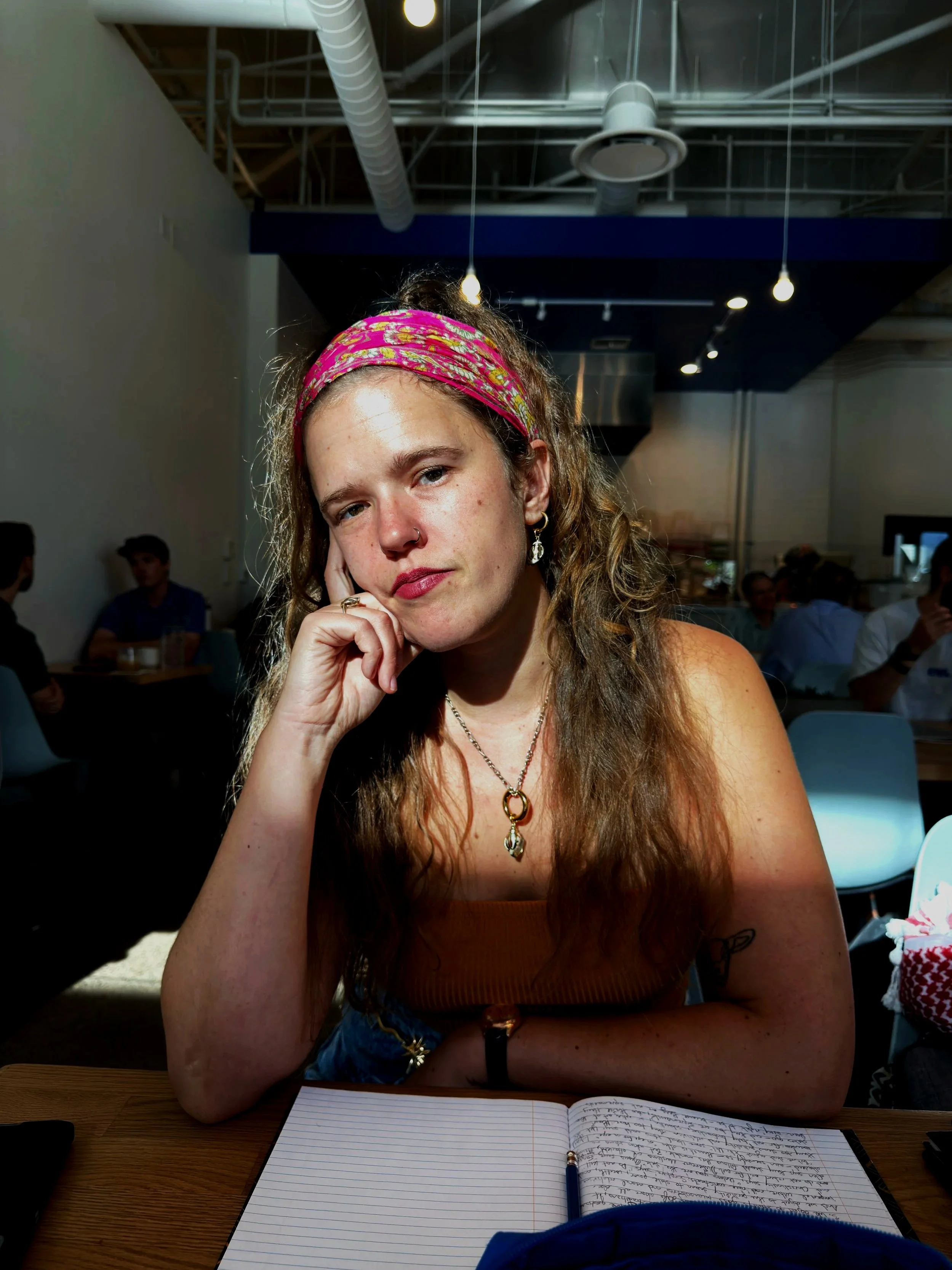
I grew up between the U.S. and Thailand, among diverse cultures and heritages, including Anglo and Latin American. I speak Thai, English, and Spanish and my closest community throughout my life has been Latinos, Anglo-American, Thai, Karen, Native, Kenyan, Palestinian, Japanese, Irish, Dutch, Spanish, and Israeli. This has been my greatest blessing, and the source of some of my greatest pains. I also grew up in an evangelical pastor’s family, and now say that I am a Christian who is renouncing Christianity, and all imperial religion. (If you read more on that, see here.)
I am a theologian and my PhD studies were in theology and violence studies, which examine the causes of violence through social sciences. While I did my PhD work, I was working in full-time peacebuilding and advocacy, particularly with unhoused people, and regarding Palestine/Israel. I have always lived and worked among people of all religious, class, and ideological backgrounds, and see myself as someone who does theology with and for this diverse–and often divided–community. As a theologian I do proclaim Jesus—but I think he only makes sense when theology is reindigenized, and I do not proclaim him for Christianity, or for the institutions of church or state.
Who ?
-
Through my research and the harsh realities of attempting true change on the ground, I have become convinced that our greatest hindrance to meaningfully addressing the world’s cascading crises is not our differences, but rather, what we hold in common. It is the deep assumptions our social order makes about the way the cosmos works, and what it means to be truly human within it–questions of identity, belonging, and purpose. I consider these to be inherently theological questions because even if we don’t believe in “a Higher Power” all human beings must believe in a set of “highest powers” or assumptions which order our personal and cosmic narratives.
These are often handed down by the structures of our current world power system–or empire–and they cause us to feel helpless against the collective path of self-destruction we are on.
Although I am a Christian, I have been called and encouraged to do this work by many who are not. Christians may need a new standpoint for theology more than anyone, but my community thinks everyone can benefit from reexamining our broader social order, and the original teachings of Jesus which have been appropriated by systems of power.
-
Our deep assumptions must be named and interrogated as what they are–the theologies of every empire in history. I believe that if we can do this, we can begin renouncing our imperial religion, and we can look on our past and our traditions with new eyes, asking better questions of them and of the Living World around us. In seeing the theological connections between empires, we can also see that there has always been another way, and that we are not alone in pursuing it.
My goal is not to propose solutions or create a “new program.” My goal is to make my contribution to a conversation which needs many voices, and to do all that I can to help us undo what disconnects us from one another, the Living World, and Creator. -
I believe new theological frameworks that get to the roots of imperial ideology can radically change the way we view everything, but especially the teachings of Jesus and the witness of the earliest Christians, who lived in a moment of imperial decline much like our own. This also highlights the importance of wisdom and cultural resources from indigenous/non-state cultures and shatter zones.
My work now focuses on what I call a Theology of Life, naming and renouncing imperial religion to reconnect with land-based, non-state spiritual ethics which can help us to reindigenize our theological imagination. I am a Christian who sees myself as doing Christian theology, though from a radically different place.
recent guests
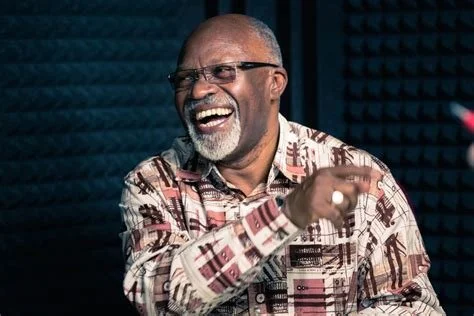
ZAC NIRINGIYE
Ugandan Activist and Scholar
We count on this visionary to define strategic priorities, allocate resources responsibly, and ensure every decision reinforces long-term value creation.

coming soon
Great people of all kinds of backgroundsSeeing what its like to have important conversations on theology across lines of difference.
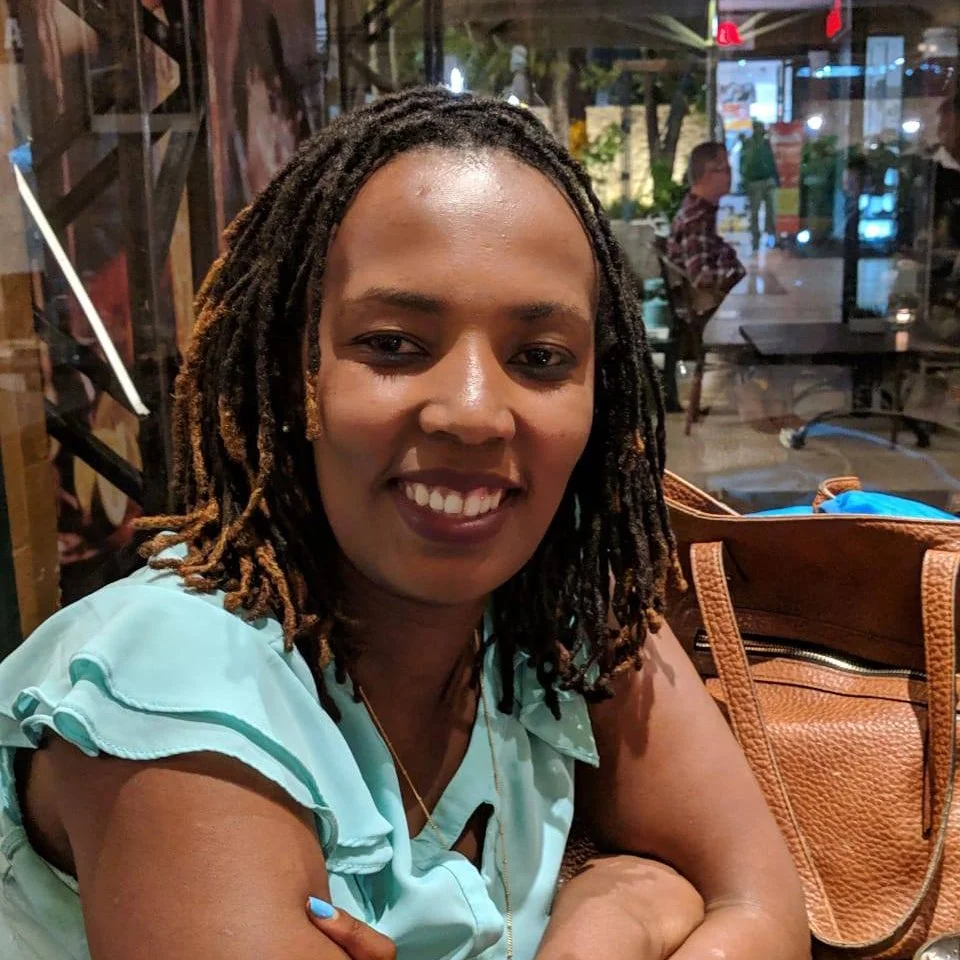
Kenyan Social Justice Advocate & Founder of Msingi Trust
carol ng’ang’a
We depend on this engineer to transform conceptual requirements into robust technical solutions that integrate seamlessly with existing infrastructures.